Is Carmel Valley the Right Fit for Your Commute and Lifestyle?
June 4, 2026
June 4, 2026
If your day starts with a freeway merge, a school drop-off, or a quick stop for coffee before work, where you live can shape everything. Carmel Valley stands out because it blends a structured suburban layout, strong local amenities, and practical access to major job centers along the I-5 corridor. If you are weighing whether the area fits your routine, this guide will help you understand how Carmel Valley works day to day and what kind of lifestyle it supports. Let’s dive in.
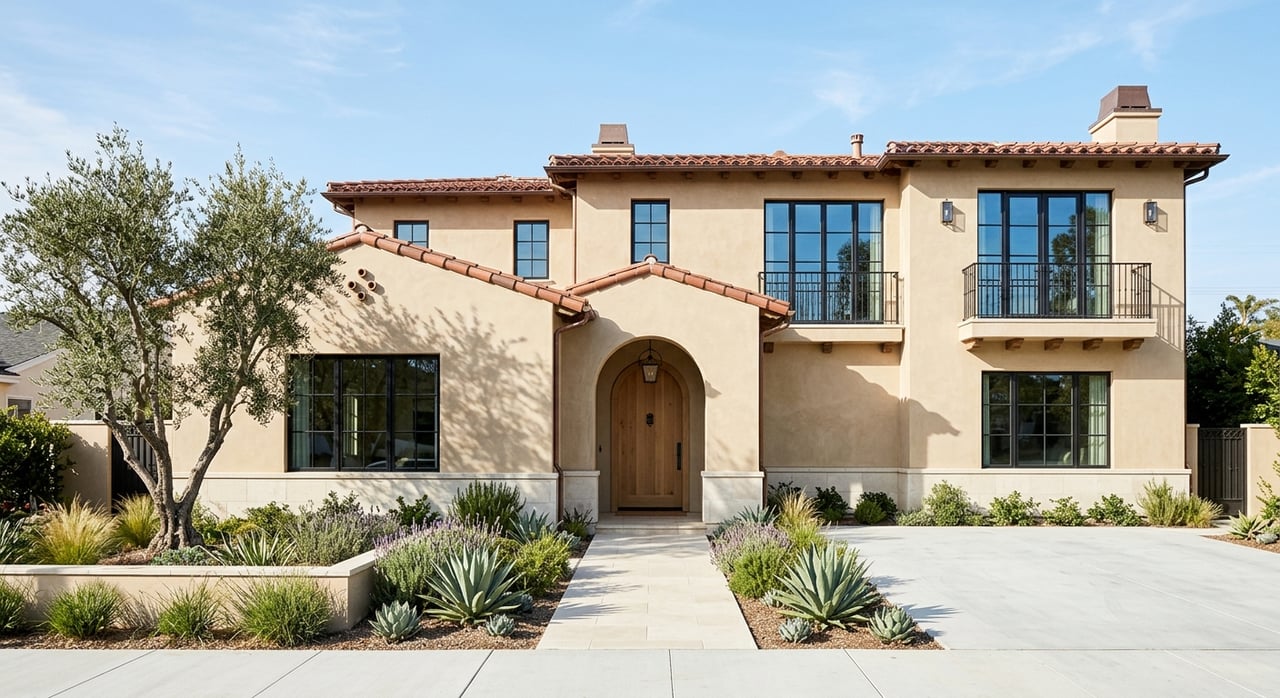
Carmel Valley is a master-planned community in San Diego with about 39,000 residents, according to the City of San Diego. The first homes were built in 1983, and the community was intentionally developed on mesa tops so the canyons and valleys could remain open.
That planning approach still shapes the area today. You get a polished suburban feel with homes, offices, shopping, restaurants, parks, and open space woven together, but not in the form of a traditional walkable street grid.
For many residents, Carmel Valley is a car-led neighborhood. SANDAG classifies it as a Tier 3 employment center with 23,294 employees, and earlier employment-center data showed that 87% of workers drove alone, 12% carpooled, 1% biked, and less than 1% walked.
That data tells you something important about everyday life here. Even if you can handle some errands close to home, most work trips still revolve around driving and timing your route around peak hours.
SANDAG also reported that peak-period highway travel times across the region fell 5% from 2023 to 2024. Still, commuters in Carmel Valley generally need to think in terms of morning and late-afternoon traffic windows rather than expecting a transit-first routine.
If you live in Carmel Valley, I-5 and SR-56 are central to how you move through the week. That is especially true because nearby Sorrento Valley is the region’s largest employment center with almost 170,000 jobs.
SANDAG says 78% of Sorrento Valley workers drive alone, and the average peak car commute is 34 minutes. That helps explain why access to major corridors is such a big part of Carmel Valley’s appeal for buyers who want practical reach to work hubs without crossing the entire county.
The draft 2025 Regional Plan also calls for managed lanes on I-5 and I-805, plus new or enhanced local bus, COASTER, Rapid, and Express service along the corridor. For now, though, Carmel Valley is still best understood as a place where freeway convenience matters more than car-free mobility.
Carmel Valley is not just a bedroom community. It has a meaningful local employment base, with SANDAG reporting office- and service-heavy job concentrations.
Based on SANDAG’s Carmel Valley employment-center profile, the largest sectors included professional, scientific, and technical services at 22%, finance and insurance at 9%, and food services at 8%. That mix supports a daily rhythm where some residents can work nearby, while others use the neighborhood as a home base with strong access to larger job centers.
You can add biking and local trips into your routine, but the neighborhood is still not centered on transit. SANDAG says the region had 1,871 centerline miles of bikeways in 2024 and added more than 283 miles since 2016.
There is also visible momentum for bike access. SANDAG hosted a June 2024 group ride on the new SR-56 bike path through Torrey Pines and Carmel Valley, which points to growing active transportation options in the area.
At the same time, the Carmel Valley Recreation Center notes that the facility is not accessible by bus. That is a useful real-world signal that while biking and recreation routes are improving, most households will still find a car important for everyday convenience.
One of Carmel Valley’s biggest lifestyle strengths is how efficiently it handles day-to-day errands. Instead of a dense main street, the community is organized around major retail centers where shopping, dining, and services are clustered together.
The best-known examples are One Paseo and Del Mar Highlands Town Center. Both function as practical anchors for daily life, making it easier to combine errands, meals, and casual meetups in one stop.
One Paseo sits between Carmel Valley and Del Mar, just north of SR-56 and near I-5. It offers self-parking, EV charging, bike-friendly access, and recurring community events such as movie nights, yoga, and outdoor music.
That combination gives the center a role that goes beyond shopping. It supports a social routine where you can run errands, grab a meal, and stay for an event without adding another stop across town.
Del Mar Highlands Town Center also plays a major role in the neighborhood’s daily flow. The center offers a broad dining mix along with parking structures, curbside pickup, bike racks, and EV charging.
For residents, that means convenience is built into the layout. If your ideal neighborhood supports efficient weekdays and easy weekend plans, this kind of retail clustering can be a real advantage.
Carmel Valley does not revolve around one single restaurant strip or nightlife zone. Instead, dining options are spread across its retail nodes, with a range of everyday choices that support busy schedules and casual plans.
Official center information points to options like coffee and breakfast spots, healthy fast casual concepts, pizza, Italian, steakhouse dining, dessert, and grab-and-go choices. That variety fits the area’s overall personality: polished, convenient, and geared toward a steady weekly routine.
If you want more than just a good commute setup, Carmel Valley has a strong civic amenity base. The Carmel Valley Recreation Center, built in 1999, includes outdoor courts, a playground, a multipurpose field, tennis courts, a gym, a meeting room, a game room, a kitchen, and a nearby swimming pool.
The city also lists a library, skate park, and multiple neighborhood parks as part of the community’s infrastructure. That gives the area a well-rounded feel for people who want recreation and public amenities close to home.
One of Carmel Valley’s clearest lifestyle advantages is its access to open space. Los Peñasquitos Canyon Preserve spans about 4,000 acres over roughly 7 miles and includes a waterfall, streamside forests, a year-round stream, and a wide mix of birds, mammals, and plant species.
Del Mar Mesa adds equestrian, biking, and hiking trails, and the city says a Carmel Mountain and Del Mar Mesa open-space management area covers roughly 1,092 acres across southern Carmel Valley and nearby communities. In practical terms, that means weekends can easily revolve around hikes, bike rides, dog walks, and time outdoors.
This open-space access also reflects the area’s original planning logic. Development was concentrated in certain areas so natural land could remain part of everyday life, and that remains one of Carmel Valley’s most appealing qualities.
Carmel Valley tends to work well for buyers who value convenience, structure, and access. If you want a neighborhood with freeway connections, a solid local job base, organized retail, and strong recreation options, it checks many important boxes.
The tradeoff is that it is not a transit-first or highly walkable urban environment. The area is best suited to people who are comfortable with a car-oriented routine and who see value in a polished suburban setting with easy access to both work and weekend amenities.
For many buyers, that balance is exactly the point. You get a neighborhood that supports daily efficiency while still keeping parks, trails, dining, and coastal-adjacent outings within reach.
If you are comparing Carmel Valley with other North County and coastal-adjacent communities, local context matters. The right fit often comes down to how you want your week to feel, from your morning commute to your Saturday plans. If you want thoughtful guidance on Carmel Valley and nearby neighborhoods, Booth Properties is here to help you make a confident move.
Stay up to date on the latest real estate trends.


We pride ourselves in providing personalized solutions that bring our clients closer to their dream properties and enhance their long-term wealth. Contact us today to find out how we can be of assistance to you!