La Jolla Oceanfront vs Village Living: What Fits Best?
June 25, 2026
June 25, 2026
If you are deciding between oceanfront and Village living in La Jolla, you are really choosing between two very different daily rhythms. One puts the coastline at the center of your home experience, while the other puts walkability and convenience front and center. If you want to know which setting better fits your lifestyle, priorities, and long-term plans, this guide will help you compare the tradeoffs clearly. Let’s dive in.
La Jolla is a primarily residential coastal community shaped by ocean bluffs, beaches, steep canyons, and hillsides. City planning materials identify the Village, the Shores, and Bird Rock as the main commercial districts, and the City of San Diego classifies La Jolla as a special community with regional and statewide significance.
Another key point for buyers is that La Jolla is about 99 percent built out. That means most housing activity happens through infill rather than large new development, which helps explain why location, setting, and property-specific details matter so much when you compare one part of La Jolla to another.
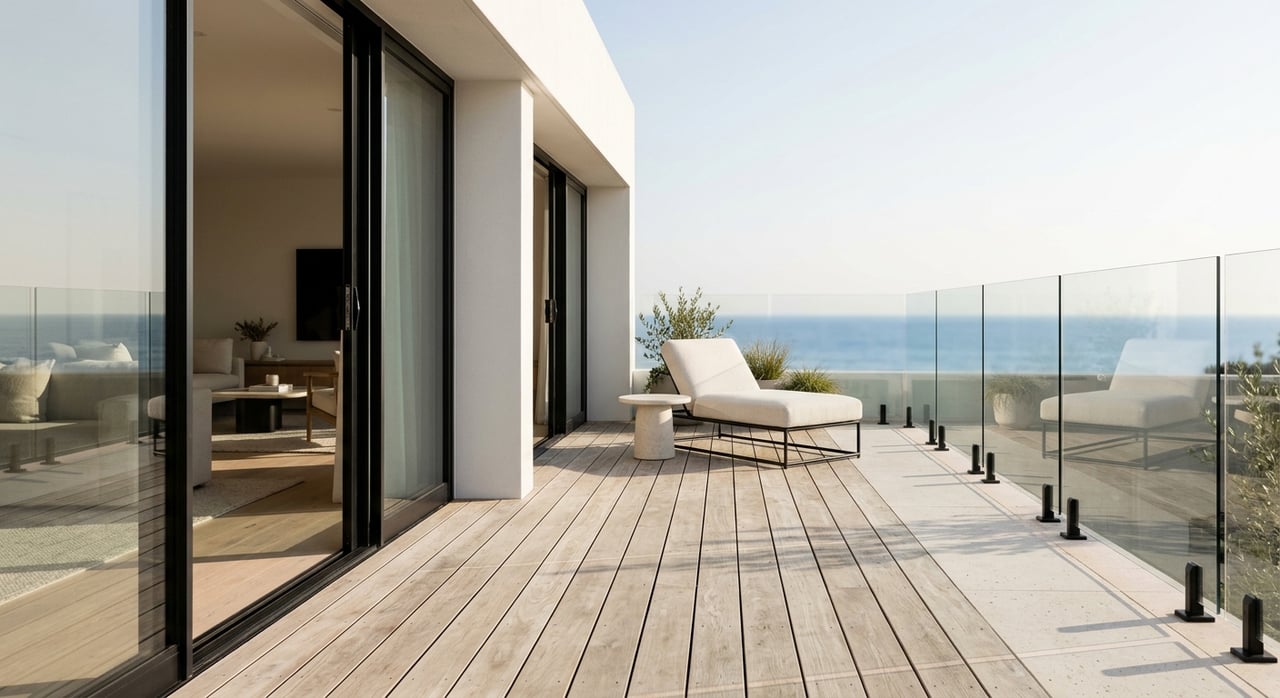
Oceanfront living in La Jolla is shaped by its physical setting more than by any one home style. Think bluff-top sites, beach-edge homes, and limited places where development can happen at all. That scarcity is part of the appeal, but it also affects what ownership can look like over time.
The biggest draw is obvious: views and shoreline access. La Jolla’s coastal areas connect you to places like Coast Blvd Park, Ellen Browning Scripps Park, Cuvier Park, La Jolla Cove, La Jolla Shores, Windansea, and the Children’s Pool.
The city’s coastal access planning also emphasizes stairways, pathways, and parking areas that connect bluff tops to beaches. In practical terms, that means many oceanfront locations offer a strong connection to the shoreline, coastal parks, and outdoor recreation.
For many buyers, oceanfront living feels more residential and more centered on the landscape itself. Your daily routine may revolve around morning walks by the water, quick access to scenic coastal spaces, and a home environment defined by views, open sky, and bluff-side topography.
At the same time, what you can do on foot may depend a lot on the exact address. Some coastal homes are near beach nodes and parks, while others are less connected to errands and everyday services than properties in the Village core.
The same setting that creates dramatic views can also bring more complexity. City guidance notes that projects on steep hillsides, coastal beaches, and sensitive coastal bluffs may require development or grading approvals.
The La Jolla Community Plan also says bluff-top residential development must be placed to protect scenic resources, reduce erosion, and preserve lateral public access along the coast. For you as a buyer, that can matter if you hope to remodel, expand, or make major exterior changes later.
If you are considering a bluff-side property, it is smart to look beyond the current floor plan and finishes. Ask how much future flexibility the site may realistically offer.
Because some coastal bluffs are susceptible to periodic erosion, city bluff regulations guide structure placement and protective work. That does not mean every improvement is impossible, but it does mean bluff-side homes can involve more permitting complexity than homes in less sensitive locations.
Village living offers a very different version of La Jolla. Instead of a home experience centered mostly on the coastline, the Village centers your day around convenience, activity, and access to local businesses and community destinations.
City planning describes the Village as La Jolla’s downtown commercial core and the prime business, office, and retail center of the community. It includes specialty shops, restaurants, hotel and motel services, corporate offices, and residential uses that range from single-dwelling homes to multiple-dwelling buildings.
That mix often creates more housing variety than you may find in strictly oceanfront settings. Depending on the block, you may see condos, smaller homes, mixed-use-adjacent properties, and residential pockets just outside the busiest commercial streets.
If you value being able to step out your door and handle parts of daily life on foot, the Village is usually the stronger fit. Planning documents note that the area includes dining, galleries, recreation areas, coastal attractions, and community-serving destinations close together.
The Village area also includes places like the recreation center, Ellen B. Scripps Park, and La Jolla Cove along Coast Boulevard. On a normal weekday, that can translate into easier errands, shorter trips for meals or coffee, and less need to drive for every outing.
The main tradeoff is activity level. The same density and convenience that make the Village appealing can also mean more visitor traffic, more pedestrian activity, and more parking pressure.
The City of San Diego’s La Jolla Community Parking District addresses off-street parking, residential parking programs, time limits, paid on-street parking, a public parking facility, signage, wayfinding, transit enhancements, a community shuttle, and enforcement. For buyers, that is a strong sign that parking is an ongoing practical issue in the area.
If you are choosing between these two settings, the best decision usually comes down to how you want your days to work.
Village living is generally the better choice if your priority is doing more on foot. Its downtown layout places restaurants, shops, recreation, and coastal destinations closer together.
Oceanfront living can still offer excellent access to parks, beaches, and shoreline spaces, but not every location will support the same level of day-to-day walkability for errands. In many cases, coastal living is more about proximity to nature than proximity to services.
On a typical weekday, the Village may feel convenient and active without being overwhelming, depending on the exact block. On busy weekends or during peak visitor periods, you should expect more foot traffic, more demand for parking, and a more energetic street environment.
Oceanfront areas can also draw visitors because of beaches and scenic viewpoints, but many buyers are drawn to them for a more residential-feeling setting overall. The exact experience often depends on whether the home sits near a major beach access point or in a quieter stretch of coastline.
For second-home buyers especially, parking deserves close attention. In the Village, ask not only how many spaces come with the property, but also whether guest parking is realistic during busier times.
For oceanfront properties, parking questions can be just as important, especially near popular coastal access points. The difference is that in the Village, parking pressure is tied strongly to the commercial core, while along the coast it may relate more to beach access, public parking patterns, and the site itself.
Not every Village property sits in the heart of the busiest area. Some homes are in quieter residential pockets just outside the core while still benefiting from Village access.
That distinction can matter a lot if you want walkability without feeling fully immersed in the busiest commercial blocks. The same idea applies to coastal properties, where one address may feel closely tied to public beach activity while another feels more tucked away.
If you are shopping for a second home in La Jolla, your checklist should go beyond views and finishes. The better question is how easy the property will be to use, enjoy, and manage.
Focus on these practical items:
These points can shape your ownership experience just as much as square footage or design style.
Oceanfront living usually fits buyers who want views, immediate shoreline access, and a home experience shaped by the coast itself. It can be a strong match if you are comfortable with tighter site constraints and the possibility of more complexity around future improvements.
Village living usually fits buyers who want convenience, walkability, and a wider mix of housing options near La Jolla’s commercial core. It can be a strong match if you are comfortable with more activity, more visitor presence, and a parking environment that may take more planning.
The right choice is rarely just about price or architecture. It is about whether you want your La Jolla lifestyle to revolve more around the shoreline or more around the ease of stepping into the center of daily life.
Whether you are buying a primary residence, comparing second-home options, or preparing to sell in one of La Jolla’s most distinct settings, local context matters. Booth Properties offers personalized guidance, strong communication, and high-level support to help you navigate the details with confidence.
Stay up to date on the latest real estate trends.



We pride ourselves in providing personalized solutions that bring our clients closer to their dream properties and enhance their long-term wealth. Contact us today to find out how we can be of assistance to you!